






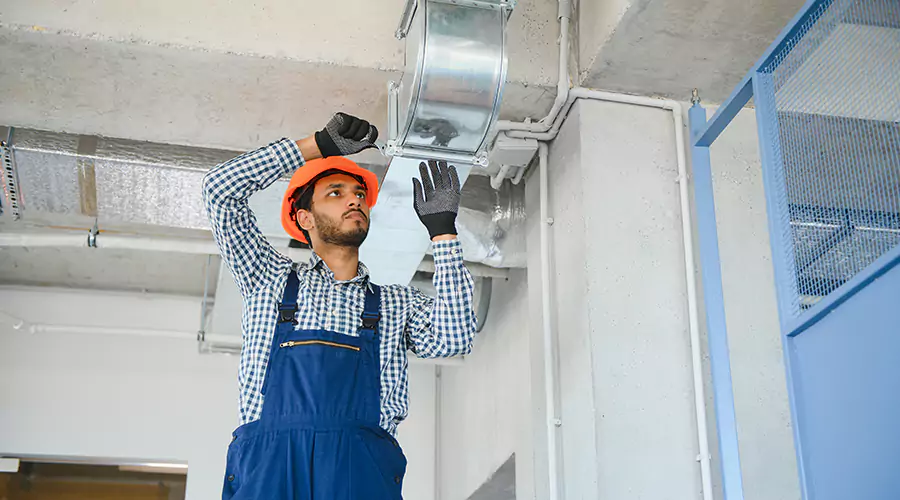
Leaky air ducts are one of the most common reasons a home feels uncomfortable even when the HVAC system is running. Your heating and cooling system may be working hard, but if air escapes through gaps, holes, loose joints, or disconnected duct sections, that conditioned air may never reach the rooms where it is needed.
Many homeowners blame the AC unit, furnace, thermostat, or air filter when certain rooms feel too hot or too cold. While those can be part of the problem, damaged ductwork is often overlooked. Leaky ducts can reduce airflow, increase energy bills, pull in dust, and make your HVAC system run longer than necessary.
Understanding how leaky air ducts affect comfort and energy costs can help you know when to schedule air duct camera inspection or air duct repair service.
What Are Leaky Air Ducts?
Leaky air ducts are sections of ductwork where air escapes or enters through openings that should not be there. These leaks may happen at joints, seams, connections, bends, or damaged duct sections.
Air ducts are supposed to carry heated or cooled air from the HVAC system to each room. When ducts leak, some of that air is lost before it reaches the vents. In return ducts, leaks can pull dirty or unconditioned air into the system from attics, crawl spaces, basements, garages, or wall cavities.
Common causes of duct leaks include:
- Loose duct connections
- Old or worn duct sealant
- Damaged flexible ductwork
- Poor installation
- Crushed duct sections
- Pest damage
- Rust or corrosion
- Ducts separating over time
- Gaps around joints or seams
Even small leaks can affect comfort if they are in important parts of the duct system.
How Leaky Ducts Affect Home Comfort?
Leaky ductwork can make your home feel uneven and uncomfortable. Some rooms may receive plenty of airflow, while others may barely get enough heated or cooled air.
This can lead to rooms that feel too warm in summer or too cold in winter. You may keep adjusting the thermostat, but the problem continues because the air is escaping before it reaches the room.
Common comfort problems include:
- Weak airflow from vents
- Hot or cold spots
- Rooms that never reach the set temperature
- Uneven temperatures between floors
- Longer HVAC run times
- Drafty feeling rooms
- Poor humidity control
If certain rooms are always uncomfortable, leaky ducts may be part of the issue.
Why Leaky Ducts Increase Energy Bills?
When air leaks from ducts, your HVAC system must work harder to heat or cool the home. The system may run longer because less conditioned air is reaching the living space. This extra run time can increase energy use and raise utility bills.
For example, if cooled air leaks into an attic during summer, the AC has to keep running to replace the lost air. If warm air leaks into a crawl space during winter, the furnace has to work harder to keep the home comfortable.
Leaky ducts waste energy because you are paying to heat or cool air that may never reach the rooms you use.
Leaky Return Ducts Can Pull in Dust
Supply duct leaks push conditioned air out. Return duct leaks can pull unwanted air in. This can be a major problem if return ducts pass through dusty or dirty spaces.
A leaky return duct may pull in:
- Attic dust
- Crawl space air
- Insulation particles
- Musty odors
- Pest debris
- Garage air
- Dirt from wall cavities
This air can then move through the HVAC system and circulate into your home. If your home gets dusty quickly or smells musty when the system runs, return duct leaks may need inspection.
Leaky Ducts Can Affect Indoor Air Quality
Leaky ductwork can affect indoor air quality by allowing dust, debris, odors, and particles to enter the airflow. This is especially concerning when ducts are located in attics, basements, crawl spaces, or garages.
You may notice more dust around vents, dirty filters, or allergy like irritation when the HVAC system runs. Air duct cleaning can remove buildup inside the ductwork, but if leaks remain, the system may continue pulling in dust from surrounding spaces.
This is why duct repair and duct cleaning often work best together when the duct system is both dirty and damaged.
Signs Your Air Ducts May Be Leaking
You may have leaky ducts if you notice:
- High energy bills without a clear reason
- Weak airflow from some vents
- Uneven room temperatures
- Dust around vents
- Musty or attic like odors
- Rooms that stay hot or cold
- HVAC system running too long
- Visible duct gaps or loose sections
- Damaged duct insulation
- Noisy airflow or whistling sounds
If several of these signs appear together, a professional duct inspection is a smart step.
Why Cleaning Alone May Not Solve the Problem?
Air duct cleaning can remove dust, debris, pet hair, and buildup from inside the duct system. However, cleaning does not seal holes, reconnect loose ducts, or repair damaged sections.
If your ducts are leaking, the same problems may return after cleaning. Dust may keep entering through gaps. Airflow may remain weak. Energy bills may stay high. Musty odors may continue if return ducts are pulling air from damp spaces.
This does not mean cleaning is not useful. It means cleaning should be matched with the right repair solution when duct damage is present.
How Professionals Find Duct Leaks?
A professional air duct inspection can help identify where air is being lost. Technicians may check accessible ductwork, vent airflow, duct connections, insulation, return air paths, and signs of damage.
They may look for:
- Loose joints
- Torn flexible ducts
- Disconnected duct runs
- Poorly sealed seams
- Crushed ducts
- Damaged insulation
- Dust streaks near leaks
- Airflow imbalance between rooms
Once the leaks are found, the technician can recommend duct sealing, repair, or replacement of damaged sections.
How Air Duct Repair Helps?
Air duct repair helps restore proper airflow and reduce wasted energy. Depending on the problem, repair may include sealing joints, reconnecting loose ducts, replacing damaged sections, supporting sagging ducts, repairing insulation, or fixing crushed flexible ductwork.
Benefits of duct repair may include:
- Better airflow
- More even room temperatures
- Lower energy waste
- Less dust entering the system
- Fewer odors from attic or crawl space air
- Reduced strain on the HVAC system
- Improved overall comfort
A properly sealed duct system helps your HVAC system deliver air where it is supposed to go.
Final Thoughts
Leaky air ducts can affect both comfort and energy bills. When ducts leak, heated or cooled air may escape into attics, crawl spaces, basements, or wall cavities instead of reaching your rooms. Return duct leaks can also pull dust, odors, and unwanted air into the system.
If your home has weak airflow, uneven temperatures, high energy bills, dusty vents, musty odors, or long HVAC run times, your ductwork may need inspection. Air duct cleaning can help remove buildup, but air duct repair is needed when leaks, gaps, or disconnected sections are causing the problem. A professional inspection can help find the source and restore better airflow throughout your home.